✓ Cryptocurrency markets are highly volatile and can experience rapid price swings.
✓ Regulatory uncertainty remains a significant risk for investors in the US and globally.
✓ Security breaches, hacks, and scams are prevalent threats in the crypto space.
✓ The illiquidity of certain altcoins can make selling difficult during market downturns.
How It Works
1
Educate Yourself Thoroughly
Before any investment, dedicate time to understanding the underlying technology, market dynamics, and specific cryptocurrency projects. Knowledge is your first line of defense against potential losses.
2
Assess Your Risk Tolerance
honestly evaluate how much capital you can afford to lose without impacting your financial stability. Cryptocurrency investments should only comprise a small portion of a diversified portfolio.
3
Implement Robust Security Measures
Utilize strong, unique passwords, two-factor authentication (2FA), and consider hardware wallets for storing significant holdings. Protect your digital assets as diligently as your physical ones.
4
Diversify and Dollar-Cost Average
Avoid putting all your funds into one cryptocurrency. Spread investments across different assets and consider investing a fixed amount regularly, regardless of price, to mitigate volatility.
The Inherent Volatility of Digital Assets
Photo: www.kaboompics.com / Pexels
One of the most frequently cited and immediately apparent risks when it comes to understanding cryptocurrency investing risks is the extreme volatility of the market. Unlike traditional assets such as stocks or bonds, cryptocurrencies can experience dramatic price swings within hours, sometimes even minutes. This volatility is driven by a confluence of factors unique to the nascent digital asset space. Firstly, the market is relatively young and smaller in capitalization compared to global stock markets, making it more susceptible to large buy or sell orders. A single whale (an individual or entity holding a significant amount of a particular cryptocurrency) can significantly influence prices. Secondly, market sentiment plays an enormous role. News, social media trends, and even rumors can trigger rapid price movements, often referred to as 'FUD' (Fear, Uncertainty, and Doubt) or 'FOMO' (Fear of Missing Out). These emotional responses can lead to irrational buying or selling frenzies, further exacerbating price instability. For instance, a tweet from a prominent figure or a regulatory announcement can send a cryptocurrency's price soaring or plummeting by double-digit percentages in a single day.
Furthermore, the 24/7 nature of cryptocurrency markets means there are no trading breaks, unlike traditional exchanges that close overnight or on weekends. This continuous trading can lead to swift, unpredictable movements at any time, making it challenging for investors to react promptly. The absence of circuit breakers, which are common in stock markets to halt trading during extreme volatility, means that price drops can accelerate unchecked. This high-octane environment demands a strong psychological fortitude from investors. Those unaccustomed to such rapid fluctuations may find themselves making impulsive decisions, buying at peaks out of FOMO or selling at troughs out of panic. Understanding this fundamental characteristic is paramount for any US investor considering entering the crypto market. It necessitates a long-term perspective and an acceptance that short-term losses are a very real possibility, even for fundamentally strong projects. Investors must be prepared for their portfolio value to fluctuate wildly and resist the urge to constantly check prices, which can lead to emotionally charged trading decisions. Always consider your personal risk tolerance before allocating capital to such a volatile asset class. Diversification strategies in traditional finance can offer some lessons here, emphasizing that even highly speculative assets should form only a small part of a broader portfolio.
Navigating Regulatory Uncertainty and Compliance
Photo: Alesia Kozik / Pexels
Another critical component of understanding cryptocurrency investing risks, particularly for US investors, revolves around the ever-evolving and often ambiguous regulatory landscape. Unlike traditional financial instruments, which are governed by well-established laws and regulatory bodies like the SEC (Securities and Exchange Commission) and FINRA, cryptocurrencies largely operate in a grey area. Different government agencies hold varying perspectives on how digital assets should be classified – as commodities, securities, or even property – leading to a patchwork of regulations that can be confusing and contradictory. This regulatory uncertainty creates several significant risks. Firstly, sudden changes in legislation or enforcement actions can have a profound impact on market prices and the viability of certain projects. A government crackdown on specific types of cryptocurrencies or exchanges could lead to widespread panic selling and substantial losses for investors. For example, discussions around the classification of certain tokens as unregistered securities have already caused considerable unease.
Secondly, the lack of clear regulatory frameworks can expose investors to unscrupulous actors. While the US is making strides, the global nature of crypto means many platforms and projects operate outside stringent US oversight. This can make it difficult to seek recourse in cases of fraud, mismanagement, or exchange failures. Investors might find themselves with limited legal protection compared to investments made through regulated brokers. Thirdly, compliance burdens on businesses operating in the crypto space can lead to services being withdrawn from certain regions or increased operational costs, which can indirectly affect investors through higher fees or reduced access to markets. The IRS (Internal Revenue Service) has also made it clear that cryptocurrency gains are taxable events, but the complexities of tracking and reporting these transactions can be daunting for the average investor, leading to potential legal and financial penalties if not handled correctly. Staying informed about the latest regulatory developments from the SEC, CFTC (Commodity Futures Trading Commission), and other bodies is crucial for US investors. This includes understanding potential future legislation that could impact how cryptocurrencies are traded, held, and taxed. Consulting with a financial advisor specializing in digital assets and a tax professional is highly recommended to navigate these complexities and ensure compliance. This proactive approach is essential for mitigating the regulatory risks inherent in this innovative but uncharted financial territory.
Security Vulnerabilities and Cyber Threats
Photo: Leeloo The First / Pexels
When delving into understanding cryptocurrency investing risks, the pervasive threat of security vulnerabilities and cyber-attacks cannot be overstated. The decentralized nature and digital form of cryptocurrencies, while offering many advantages, also present unique security challenges. Unlike traditional bank accounts, which are insured by institutions like the FDIC, most cryptocurrency holdings are not covered by similar protections. This means that if your digital assets are stolen due to a hack, a scam, or a personal security lapse, you are unlikely to recover them. The history of cryptocurrency is unfortunately replete with instances of major exchange hacks, where millions, and sometimes billions, of dollars worth of crypto have been stolen. While exchanges have improved their security measures, they remain attractive targets for cybercriminals. If an exchange you use is compromised, your funds could be lost indefinitely.
Beyond exchange security, individual investors face numerous threats. Phishing scams are rampant, where sophisticated fake websites or emails attempt to trick users into revealing their private keys or login credentials. Malware and viruses can be designed to steal crypto directly from your computer or intercept transactions. Social engineering attacks, where fraudsters manipulate individuals into divulging sensitive information, are also common. The concept of 'private keys' is central to cryptocurrency security; these are essentially the passwords that grant access to your funds. Losing your private key or having it stolen means losing your cryptocurrency forever. This places a significant burden on the individual investor to maintain robust personal security practices. This includes using strong, unique passwords for all crypto-related accounts, enabling two-factor authentication (2FA) wherever possible, and being extremely cautious about clicking on suspicious links or downloading unknown software. For significant holdings, hardware wallets (physical devices that store private keys offline) are widely recommended as they provide a much higher level of security against online threats. However, even hardware wallets are not foolproof; they can be lost, stolen, or damaged, and their recovery phrases must be securely stored. Understanding these multifaceted security risks and diligently implementing best practices is absolutely crucial for protecting your digital investments. Neglecting security can quickly turn potential gains into devastating losses. Protecting your digital assets is a continuous effort that requires vigilance and proactive measures.
Illiquidity, Scams, and Project Failures: Avoiding Pitfalls
Photo: Tara Winstead / Pexels
Beyond volatility, regulation, and security, understanding cryptocurrency investing risks also means confronting the less obvious but equally dangerous threats of illiquidity, pervasive scams, and the high potential for project failures. Illiquidity refers to the difficulty of buying or selling an asset quickly without significantly affecting its price. While major cryptocurrencies like Bitcoin and Ethereum are highly liquid, many smaller altcoins, especially newer or niche projects, can be extremely illiquid. This means that if you hold a substantial amount of an illiquid asset and need to sell it quickly, you might struggle to find buyers at a reasonable price, potentially forcing you to sell at a significant discount or in small increments over time, realizing a substantial loss. This risk is particularly acute during market downturns when liquidity often dries up across the board.
Scams are another ever-present danger. The cryptocurrency space, with its allure of quick riches and technical complexity, has unfortunately attracted a disproportionate number of fraudsters. These range from elaborate Ponzi schemes that promise unrealistic returns to 'pump-and-dump' schemes where unscrupulous individuals artificially inflate a token's price through misleading promotions before selling off their holdings, leaving unsuspecting investors with worthless assets. Fake initial coin offerings (ICOs) or initial DEX offerings (IDOs) are also common, where projects raise funds but then disappear with investors' money. Due diligence is paramount: always research project teams, whitepapers, and community sentiment before investing. If an offer sounds too good to be true, it almost certainly is.
Finally, the high rate of project failure is a significant risk. Thousands of cryptocurrencies exist, and many are experimental, lack real-world utility, or are simply poorly executed. Projects can fail due to technical flaws, lack of adoption, internal disputes, or competition. When a project fails, its token typically becomes worthless, leading to a total loss for investors. Investing in any cryptocurrency requires a deep dive into its technology, use case, team, and community support. Focus on projects with clear roadmaps, active development, and a strong, transparent team. Avoiding these pitfalls requires a critical, skeptical mindset and a commitment to thorough research rather than relying on hype or speculative advice.
Comparison
Feature
Traditional Stocks
Bitcoin (BTC)
Altcoins (e.g., DeFi tokens)
Volatility
Moderate
Very High
Extremely High
Regulation (US)
High (SEC, FINRA)
Evolving (Commodity)
Uncertain (Security/Commodity)
Liquidity
Generally High
High
Varies (often Low)
Security (Personal)
Broker Protection (SIPC)
Self-custody (user responsibility)
Self-custody (user responsibility)
Adoption
Widespread
Growing
Niche/Developing
What Our Readers Say
5★★★★★
"This guide truly opened my eyes to the nuances of understanding cryptocurrency investing risks. I feel much better prepared to approach crypto safely, especially regarding security and regulatory aspects."
Sarah J.Austin, TX
5★★★★★
"Before reading, I was just following hype. Now I have a solid framework for assessing projects and understanding the real dangers, not just the potential rewards. Highly recommend for any US investor."
Mark D.Miami, FL
5★★★★★
"After a small loss due to a pump-and-dump, I found this article. It helped me understand why it happened and how to avoid similar scams. My portfolio is now more diversified and secure."
Emily R.Seattle, WA
4★★★★☆
"While comprehensive, some sections were quite dense for a beginner. However, the information on regulatory risks and security measures is invaluable and changed my investment strategy for the better."
David L.Chicago, IL
5★★★★★
"As someone working in tech, I understood the blockchain, but not the financial risks. This resource articulated the specific financial and security risks of crypto investing perfectly. Essential reading."
Jessica M.San Francisco, CA
Frequently Asked Questions
What is the biggest risk in cryptocurrency investing?
The biggest risk is arguably market volatility, as prices can change drastically and unpredictably. However, security risks like hacks and scams, along with regulatory uncertainty, also pose significant threats that can lead to total loss of investment if not properly managed.
Is my cryptocurrency insured like bank deposits?
No, generally your cryptocurrency holdings are not insured by government bodies like the FDIC in the US. Some centralized exchanges might offer their own insurance policies for certain types of losses, but these are not universal and typically don't cover all scenarios, especially user error or hacks not directly attributed to the exchange.
How can I protect my crypto from hacks and scams?
To protect your crypto, use strong, unique passwords and 2FA. Store significant amounts in a hardware wallet (cold storage). Be wary of phishing attempts, unsolicited offers, and never share your private keys or recovery phrase with anyone. Verify all transaction addresses carefully.
How much of my portfolio should be in cryptocurrency?
Due to the high risks, most financial advisors recommend allocating only a small percentage of your total investment portfolio to cryptocurrencies, typically 1-5%, and only capital you can afford to lose. This percentage should align with your individual risk tolerance and overall financial goals.
How do cryptocurrency risks compare to traditional stock market risks?
Cryptocurrency risks are generally higher than traditional stock market risks. Crypto markets are more volatile, less regulated, and susceptible to unique security threats. While both involve market risk, crypto adds layers of technological, regulatory, and counterparty risk that are less prevalent in established stock markets.
Who should avoid investing in cryptocurrency?
Individuals who cannot afford to lose their principal investment, have a very low risk tolerance, are nearing retirement, or have significant short-term financial obligations should generally avoid or severely limit their exposure to cryptocurrency investments. It's not a suitable investment for everyone.
Are all cryptocurrencies equally risky?
No, risks vary significantly among different cryptocurrencies. Established assets like Bitcoin and Ethereum, while still volatile, generally carry less specific project risk than newer, smaller 'altcoins' which can be more prone to illiquidity, scams, and technical failures. Research each asset individually.
What role does regulation play in mitigating crypto risks?
Clear and comprehensive regulation could significantly mitigate some crypto risks by providing investor protections, combating illicit activities, and fostering market stability. However, over-regulation could also stifle innovation. The ongoing challenge is finding a balance that protects investors without hindering growth.
Mastering understanding cryptocurrency investing risks is not about avoiding the market entirely, but about navigating it with knowledge and prudence. By educating yourself on volatility, regulatory changes, security threats, and project-specific dangers, you empower yourself to make more informed decisions. Invest wisely, prioritize security, and always remember that capital preservation is as crucial as potential growth.
 Photo: RDNE Stock project / Pexels
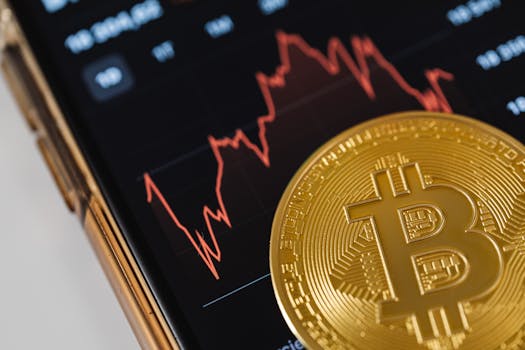 Photo: www.kaboompics.com / Pexels
 Photo: Alesia Kozik / Pexels
 Photo: Leeloo The First / Pexels
 Photo: Tara Winstead / Pexels