✓ The average American household spends over $500 monthly on groceries.
✓ Meal planning can reduce food waste by up to 50%.
✓ Shopping with a list can save you 20-30% on your grocery bill.
✓ Cooking at home typically costs 2-3 times less than eating out.
How It Works
1
Assess Your Current Spending
Track all your food-related expenses for a month to understand where your money is currently going. This baseline will help you identify areas for improvement and set realistic saving goals.
2
Create a Strategic Meal Plan
Plan all your meals and snacks for the week or month, focusing on ingredients you already have and seasonal produce. This minimizes impulse buys and ensures you only purchase what you need.
3
Shop Smart with a List
Always go to the store with a detailed list derived from your meal plan and stick to it religiously. Avoid shopping when hungry, as this often leads to unnecessary purchases.
4
Implement Advanced Saving Techniques
Utilize coupons, store loyalty programs, generic brands, and bulk buying for non-perishables. Learn to cook versatile meals and repurpose leftovers to maximize your ingredients.
Understanding Your Grocery Spending Habits
Photo: www.kaboompics.com / Pexels
Before you can effectively learn how to save money on groceries monthly, you must first understand where your money is currently going. Many people are surprised to discover the true extent of their food expenditures once they start tracking them diligently. The average American household spends a significant portion of its budget on food, and for many, this is an area ripe for substantial savings. Financial planning often overlooks the granular details of grocery spending, yet it can be one of the most impactful adjustments to make for immediate financial relief.
Start by committing to tracking every dollar you spend on groceries, snacks, coffee runs, and even dining out for one full month. Use a budgeting app, a simple spreadsheet, or even a pen and paper. Categorize your spending: 'staples,' 'produce,' 'meat/dairy,' 'snacks/drinks,' 'dining out,' etc. This initial assessment period isn't about judgment; it's about gaining clarity. You might notice patterns, such as frequent trips to convenience stores for overpriced items, or a tendency to buy too much fresh produce that spoils before it's consumed. Perhaps you're consistently grabbing lunch out when packing one from home would be far more cost-effective. This honest evaluation is the cornerstone of any successful grocery-saving strategy.
Once you have a clear picture, you can set realistic and achievable goals. Instead of just saying, "I want to save money," quantify it: "I want to reduce my grocery bill by $100 this month." This tangible goal makes the process feel less daunting and more like a challenge you can win. Remember, small, consistent changes add up dramatically over time. For instance, if you consistently save $25 a week on groceries, that's $100 a month, or $1,200 a year! This money can then be redirected towards other financial goals, such as debt reduction, building an emergency fund, or investing for your future. Understanding your habits is the first, most crucial step to taking control and mastering how to save money on groceries monthly.
Mastering Meal Planning and Smart Shopping Strategies
Photo: Sora Shimazaki / Pexels
The twin pillars of successful grocery saving are meticulous meal planning and strategic shopping. These aren't just suggestions; they are non-negotiable practices for anyone serious about how to save money on groceries monthly. Meal planning involves more than just deciding what to eat; it's about optimizing ingredients, minimizing waste, and streamlining your shopping trips. Begin by taking an inventory of what you already have in your pantry, fridge, and freezer. Build your meal plan around these existing items first. This not only saves money but also ensures you use up food before it expires.
Next, consider what's on sale at your local grocery stores. Many stores release their weekly circulars online or via apps. Incorporating sale items into your meal plan can lead to significant savings. Focus on versatile ingredients that can be used in multiple meals. For example, a large pack of chicken breasts can be used for stir-fry one night, shredded for tacos another, and diced for a soup later in the week. This reduces the need to buy many different, specialized ingredients, which often leads to unused portions and waste.
Once your meal plan is set, create a detailed shopping list. Organize your list by aisle or category (produce, dairy, canned goods, etc.) to make your trip efficient and prevent impulse buys. Stick to your list! This is perhaps the hardest, yet most effective, rule. Avoid shopping when you're hungry, as hunger often leads to buying more than you need or reaching for convenience foods that are typically more expensive. Consider using grocery store apps for digital coupons or loyalty programs, and don't be afraid to compare unit prices – often, the larger package isn't always the best deal per ounce. Shopping at different stores for specific deals, or even exploring discount grocers, can further amplify your savings. These deliberate steps transform grocery shopping from a chore into a highly effective financial strategy.
Leveraging Coupons, Generic Brands, and Bulk Buying
Photo: Kenneth Surillo / Pexels
Beyond meal planning and list-based shopping, there are several powerful tactics you can employ to further reduce your grocery expenses. Learning how to save money on groceries monthly often involves a combination of these smart consumer habits. Coupons, while sometimes seen as outdated, can still offer substantial savings. Digital coupons, accessible through store apps or websites, are particularly convenient. Before heading to the store, take a few minutes to browse for coupons relevant to items on your shopping list. Combine coupons with sales for maximum impact – this is often referred to as 'stacking' deals.
Another highly effective strategy is embracing generic or store brands. Often, these products are manufactured in the same facilities as their name-brand counterparts, containing identical ingredients and offering comparable quality at a significantly lower price. For items like flour, sugar, spices, pasta, canned goods, and even many dairy products, the difference in taste or quality is negligible, while the price difference can be substantial. Make it a habit to check the unit price (price per ounce, pound, or item) to truly compare value, rather than just the sticker price.Budgeting tips frequently emphasize the power of these seemingly small choices.
Bulk buying is another excellent way to save, especially for non-perishable items or those you use frequently. Think about rice, pasta, dried beans, oats, toilet paper, paper towels, and frozen vegetables. Buying these in larger quantities from warehouse clubs or the bulk bins at grocery stores can dramatically reduce your cost per unit. However, a word of caution: only buy in bulk if you have the storage space and are confident you will use the item before it expires or goes stale. Otherwise, a 'deal' can quickly turn into wasted money. Also, be mindful of perishable items; buying a massive pack of yogurt might seem like a good deal, but if half of it expires before you can eat it, you haven't saved anything. Strategic bulk buying, combined with smart coupon use and generic brand loyalty, forms a robust defense against rising grocery costs.
Advanced Tips and Common Grocery Saving Mistakes to Avoid
To truly master how to save money on groceries monthly, it's essential to move beyond the basics and incorporate more advanced strategies while actively avoiding common pitfalls. These insights can help you squeeze even more value out of every dollar.
**Advanced Tips for Maximum Savings:**
* **Cook from Scratch More Often:** Processed foods, ready-made meals, and pre-cut vegetables often carry a premium. Learning to cook simple meals from basic ingredients like dried beans, grains, and whole vegetables is incredibly cost-effective and healthier.
* **Embrace Leftovers:** Repurpose dinner leftovers for lunch the next day. Get creative – leftover roasted chicken can become chicken salad, or leftover rice can be the base for a stir-fry. This minimizes food waste and saves on subsequent meal costs.
* **Grow Your Own:** Even a small herb garden on a windowsill can save you money on fresh herbs, which are often expensive at the store. If you have space, consider growing common vegetables like lettuce, tomatoes, or peppers.
* **Freeze Smart:** Freeze excess produce, meat when on sale, or even cooked meals. This extends shelf life and allows you to buy in larger quantities when prices are low.
* **Shop Seasonally:** Produce is always cheaper and tastes better when it's in season. Plan your meals around what's currently abundant and affordable.
* **Limit Meat Consumption:** Meat and poultry are often the most expensive items in the grocery cart. Consider incorporating more plant-based meals into your weekly rotation to significantly cut costs.
* **Utilize Loyalty Programs:** Sign up for every grocery store loyalty program in your area. They often provide exclusive discounts, fuel points, and personalized coupons.
**Common Grocery Saving Mistakes to Avoid:**
* **Shopping Without a List:** This is perhaps the biggest culprit for impulse buys and overspending.
* **Shopping When Hungry:** Everything looks good when you're starving, leading to unnecessary purchases.
* **Ignoring Unit Prices:** Don't assume bigger is always better. Always check the price per ounce/pound.
* **Buying Too Much Perishable Food:** Food waste is wasted money. Only buy what you know you'll consume before it spoils.
* **Falling for Marketing Traps:** End-cap displays, eye-level products, and 'buy one get one free' (BOGO) deals aren't always true savings if you don't need the item or can't use it all.
* **Not Checking Sales Flyers:** Missing out on weekly deals means paying full price when you don't have to.
* **Overspending on Convenience Items:** Pre-cut fruits, bagged salads, and single-serving packages cost significantly more than their whole counterparts.
By adopting these advanced tips and consciously avoiding these common errors, you'll find your ability to how to save money on groceries monthly will dramatically improve, leading to sustainable long-term savings.
Comparison
Feature
Optimal Strategy
Common Pitfall
Budget-Friendly Alternative
Meal Planning
Weekly with inventory & sales
No plan, impulse buys
Simple rotating menu
Shopping List
Detailed, by aisle, stick to it
Mental list, forgets items
Digital list on phone
Brand Choice
Generic/store brand for staples
Only name brands
Mix of name & generic
Bulk Buying
Non-perishables, used frequently
Perishables that spoil
Split bulk items with friends
Food Waste
Repurpose leftovers, freeze
Throwing out spoiled food
Compost scraps, use all parts
Eating Out
Occasional treat, planned
Frequent, unplanned meals
Packing lunch, cooking at home
What Readers Say
★★★★★
"This guide completely changed how I approach grocery shopping! I used to just wander the aisles, but now I plan everything. I've been able to save money on groceries monthly, cutting my bill by almost $150. It's truly eye-opening."
Sarah J. · Austin, TX
★★★★★
"I thought I was already good at saving, but the advanced tips here were gold. Focusing on generic brands and strategic bulk buying for non-perishables has made a noticeable difference. My pantry is more organized, and my wallet is happier."
Mark D. · Chicago, IL
★★★★★
"Following these steps, I managed to save $200 on my grocery bill last month! The biggest game-changer was tracking my spending and then creating a strict meal plan around sales. I highly recommend this for anyone struggling with food costs."
Emily R. · Denver, CO
★★★★★
"Great advice overall. I've implemented most of the strategies, and while I haven't hit the huge savings some others have, I'm consistently saving about $75 a month. The reminder to check unit prices was particularly helpful, as I often overlooked that."
David L. · Miami, FL
★★★★★
"As a busy single mom, I needed practical ways to save. The emphasis on cooking from scratch and utilizing leftovers has not only saved me money but also reduced food waste significantly. My kids are even helping with the meal planning now!"
Jessica M. · Seattle, WA
Frequently Asked Questions
What's the most effective first step to save money on groceries monthly?
The most effective first step is to meticulously track all your food-related expenses for one month. This provides a realistic baseline of your current spending habits and helps identify specific areas where you can cut back, making your saving efforts targeted and more successful.
Is it really worth the time to clip coupons and compare flyers?
Absolutely. While it might seem time-consuming initially, dedicating 15-30 minutes a week to reviewing sales flyers and digital coupons can lead to significant savings, often 10-20% off your total bill. Over a year, this adds up to hundreds, if not thousands, of dollars saved, making the small time investment well worth it.
How can I avoid impulse purchases at the grocery store?
To avoid impulse purchases, always shop with a detailed list derived from your meal plan and stick to it. Never shop when hungry, as this increases the likelihood of buying unnecessary items. Additionally, try to limit your time in the store and avoid wandering down aisles not relevant to your list.
Are organic foods always more expensive, and should I avoid them to save money?
Organic foods generally carry a higher price tag. To save money, consider prioritizing organic purchases based on the 'Dirty Dozen' and 'Clean Fifteen' lists, which identify produce with the highest and lowest pesticide residues, respectively. For other items, conventional options are often a more budget-friendly choice without significant health compromise.
How does meal planning compare to using a meal kit delivery service for saving money?
Meal planning and cooking from scratch is almost always more cost-effective than meal kit delivery services. While meal kits offer convenience and portion control, they typically charge a premium per serving. Meal planning allows you to leverage sales, use cheaper generic brands, and fully utilize ingredients to minimize waste, leading to greater overall savings.
Who can benefit most from learning how to save money on groceries monthly?
Anyone looking to improve their financial health can benefit, but it's particularly impactful for individuals or families on a tight budget, those looking to pay off debt faster, or anyone wanting to build their savings. It's a universal skill that yields tangible, immediate financial returns.
Are there any health risks associated with prioritizing cheaper foods?
No, prioritizing cheaper foods doesn't inherently mean health risks. Many affordable staples like dried beans, lentils, rice, oats, seasonal produce, and generic dairy products are highly nutritious. The key is to focus on whole, unprocessed ingredients rather than cheap, highly processed junk foods to maintain a healthy and budget-friendly diet.
What future trends might impact grocery saving strategies?
Future trends like increased online grocery shopping, personalized digital coupons powered by AI, and the growing popularity of plant-based proteins will likely influence grocery saving. Expect more data-driven insights from retailers on your spending habits and potentially more subscription models for staples, requiring consumers to adapt their saving strategies accordingly.
Ready to transform your finances and significantly reduce your household expenses? By implementing the strategies outlined here, you can master how to save money on groceries monthly, freeing up valuable funds for your other financial goals. Start applying these tips today and watch your savings grow!

 Photo: www.kaboompics.com / Pexels
 Photo: Sora Shimazaki / Pexels
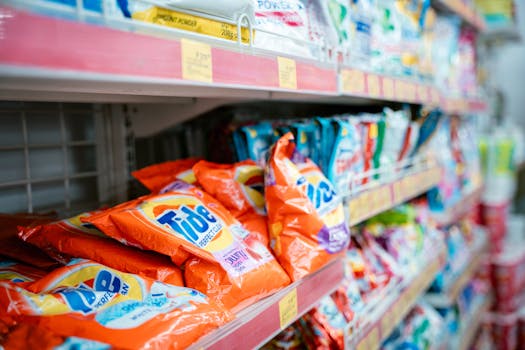 Photo: Kenneth Surillo / Pexels