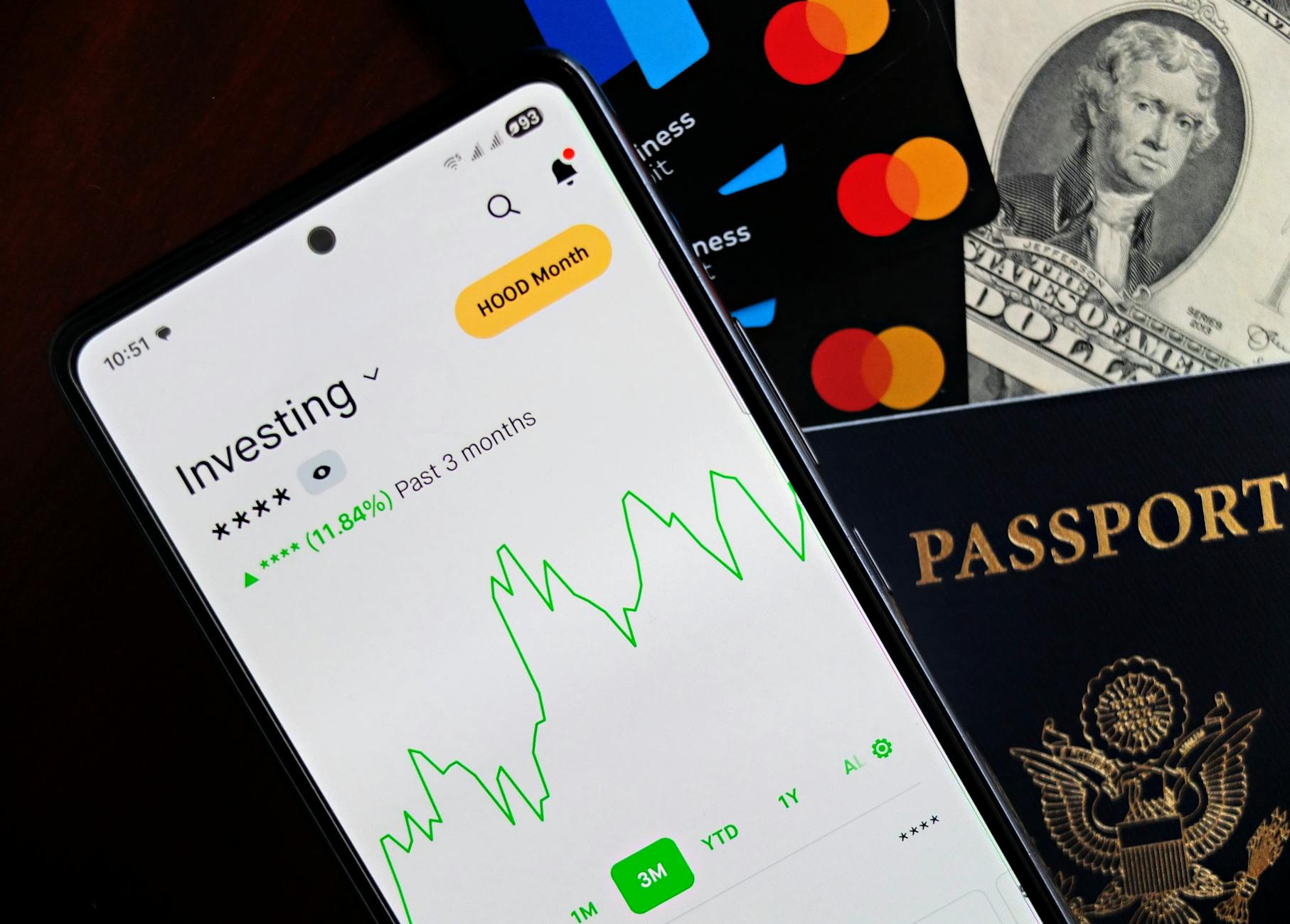
Discover the Best Investment Apps for Beginners
best investment apps for beginners

Discover the Best Investment Apps for Beginners

Start your investment journey with confidence, leveraging user-friendly platforms designed for new investors.

Find Your Perfect App

Key Takeaways

  • ✓ User-friendly interfaces are crucial for beginners.
  • ✓ Many apps offer fractional shares, making investing accessible with small amounts.
  • ✓ Robo-advisors provide automated portfolio management.
  • ✓ Low or no trading fees are common among top beginner apps.

How It Works

1
Identify Your Investment Goals

Before choosing an app, understand what you want to achieve. Are you saving for retirement, a down payment, or just looking to grow your wealth over time?

2
Research and Compare Apps

Look for apps that align with your goals, risk tolerance, and budget. Consider features like minimum deposits, fee structures, and available investment options.

3
Open and Fund Your Account

Once you've chosen an app, follow their straightforward sign-up process. Link your bank account and transfer funds to start your investment journey.

4
Start Investing and Monitor Progress

Utilize the app's tools to select investments or let a robo-advisor handle it. Regularly review your portfolio and adjust as your goals evolve.

Why Investment Apps are a Game Changer for New Investors

For many years, investing was seen as an exclusive club, reserved for those with substantial capital or intricate financial knowledge. The advent of technology, however, has democratized the investment landscape, making it more accessible than ever before, especially for beginners. Investment apps have emerged as a powerful tool, breaking down traditional barriers and empowering individuals to take control of their financial futures. These platforms are specifically designed with the new investor in mind, often featuring intuitive interfaces, simplified investment options, and educational resources that demystify complex financial concepts. They eliminate the need for costly brokers and high minimum balances, which were once significant hurdles for individuals looking to dip their toes into the market. Instead, users can start with as little as a few dollars, investing in fractional shares of expensive stocks or diversified exchange-traded funds (ETFs). This accessibility is paramount for beginners who might be hesitant to commit large sums of money initially. The beauty of these apps lies in their ability to cater to varying levels of engagement and knowledge. Some apps offer fully automated investing through robo-advisors, where users answer a few questions about their financial goals and risk tolerance, and the app constructs and manages a diversified portfolio for them. This hands-off approach is ideal for those who prefer to set it and forget it, or who feel overwhelmed by the sheer volume of investment choices. Others provide a more hands-on experience, allowing users to research and select individual stocks, ETFs, or mutual funds, often accompanied by robust research tools and real-time market data. The educational components embedded within many of these apps are another significant advantage. They often include articles, tutorials, webinars, and even in-app courses that teach fundamental investment principles, risk management, and long-term financial planning. This educational support is invaluable for beginners who are building their financial literacy from the ground up. Furthermore, the convenience of managing investments from a smartphone or tablet cannot be overstated. Users can check their portfolio performance, make deposits, or adjust their investment strategies anytime, anywhere. This constant access fosters a sense of control and engagement, which is crucial for staying motivated and informed about one's financial progress. The rise of commission-free trading is another monumental shift brought about by these apps. What once incurred significant fees with traditional brokers, now often costs nothing, allowing more of an investor's money to go directly into their investments rather than being eaten up by transaction costs. This is particularly beneficial for beginners who might be making smaller, more frequent contributions. In essence, investment apps have transformed investing from a daunting, exclusive activity into an approachable, inclusive endeavor, paving the way for millions to start building wealth and securing their financial independence. For more on navigating the financial world, explore resources on personal finance basics.

Key Features to Look for in Beginner Investment Apps

When embarking on your investment journey, selecting the right app can make all the difference. Not all investment apps are created equal, especially when it comes to catering to the specific needs of beginners. Understanding the key features that truly benefit new investors will help you make an informed choice and set yourself up for success. The first and arguably most important feature is a user-friendly interface. For someone new to investing, complex charts, jargon-filled screens, and convoluted navigation can be incredibly intimidating. The best investment apps for beginners prioritize simplicity and clarity, offering clean designs, intuitive menus, and straightforward processes for tasks like depositing funds, buying assets, and checking portfolio performance. The goal is to make the investing experience feel less like a chore and more like an accessible tool. Another critical feature is low minimum investment requirements. Many beginners don't have thousands of dollars to start investing, and apps that require high initial deposits can be a significant barrier. Look for apps that allow you to start with as little as $1, $5, or $10. This often goes hand-in-hand with the availability of fractional shares, which enable you to buy a portion of a high-priced stock or ETF, making expensive assets attainable for small budgets. This feature is a game-changer for building a diversified portfolio without needing a large lump sum. Fee structures are another crucial consideration. High trading fees, management fees, or hidden charges can quickly erode your returns, especially when starting with smaller investment amounts. The best apps for beginners often boast commission-free stock and ETF trading, and some even offer low or no management fees for their robo-advisor services. Always read the fine print to understand all potential costs associated with the app. Educational resources are indispensable for new investors. A truly beginner-friendly app will offer more than just a place to buy and sell. It should provide a wealth of learning materials, such as articles, videos, tutorials, and even quizzes that explain investment concepts, market dynamics, and risk management. These resources empower you to understand *what* you're investing in and *why*, fostering a deeper sense of financial literacy. The availability of diversified investment options is also important. While individual stocks can be exciting, beginners often benefit most from diversified portfolios. Look for apps that offer a range of ETFs (Exchange Traded Funds) and mutual funds, which provide instant diversification across various companies, sectors, or asset classes. Some apps also offer pre-built portfolios through their robo-advisor services, tailored to your risk tolerance and financial goals, simplifying the diversification process. Finally, customer support can't be overlooked. As a beginner, you're bound to have questions or encounter issues. Access to responsive and knowledgeable customer service, whether through chat, email, or phone, is vital. A helpful support team can provide guidance and reassurance, making your initial investment journey much smoother. By focusing on these key features, beginners can confidently choose an investment app that supports their learning and growth while minimizing potential frustrations and costs.

Top Contenders: The Best Investment Apps Tailored for Beginners

Navigating the myriad of investment apps available today can be daunting, but several platforms consistently stand out for their beginner-friendly features, low costs, and robust support. These apps have been meticulously designed to help new investors build confidence and wealth without feeling overwhelmed. One of the top contenders is **Fidelity Go**. As a robo-advisor service from a long-established financial giant, Fidelity Go offers a blend of automation and reliability. It's an excellent choice for beginners who prefer a hands-off approach. Users answer a few questions about their financial goals and risk tolerance, and Fidelity Go constructs and manages a diversified portfolio of Fidelity Flex® mutual funds. There are no advisory fees for balances under $25,000, making it incredibly attractive for those just starting out. For balances over $25,000, a reasonable 0.35% annual advisory fee applies. Its integration with the broader Fidelity ecosystem also offers potential for growth into more advanced investing once comfortable. Another strong contender is **Schwab Intelligent Portfolios**. Similar to Fidelity Go, Schwab Intelligent Portfolios is a robo-advisor that builds and rebalances a diversified portfolio based on your risk profile. What truly sets it apart for beginners is its zero advisory fees for its basic service. This means your money works harder for you without being eroded by management costs. It requires a $5,000 minimum to start, which is higher than some, but the lack of ongoing advisory fees for its automated service provides significant long-term value. Schwab also offers extensive educational resources and strong customer support, which are invaluable for new investors. **Acorns** is perfect for micro-investing, making it incredibly accessible. This app's standout feature is its 'Round-Ups,' which automatically invests the spare change from your everyday purchases. For example, if you buy a coffee for $3.50, Acorns will round it up to $4.00 and invest the $0.50 difference. This passive investing approach helps beginners build a portfolio without feeling like they're sacrificing large sums of money. Acorns offers diversified portfolios of ETFs, managed by Nobel Prize-winning economists. While it charges a small monthly fee ($3-$9 depending on the tier), the convenience and ease of starting with virtually no effort make it a favorite among those who want to begin investing without consciously thinking about it. For those interested in self-directed investing with commission-free trades, **Robinhood** has become a household name. Robinhood offers commission-free trading for stocks, ETFs, options, and cryptocurrencies, making it incredibly appealing for beginners who want to actively choose their investments without incurring high transaction costs. Its intuitive, minimalist interface is designed to make trading simple. However, new investors should exercise caution with direct stock picking and utilize Robinhood's educational content to understand the risks involved. While it offers advanced features, its core appeal for beginners lies in its low cost and ease of entry. Finally, **Vanguard Digital Advisor** provides a low-cost, automated investment service from one of the most respected names in the investment world. Vanguard is known for its low-cost index funds and ETFs, and their Digital Advisor service extends this philosophy to automated investing. It builds and manages a personalized portfolio using Vanguard ETFs. With a low advisory fee (around 0.15% per year for balances under $50,000), it offers exceptional value for beginners seeking a reliable and cost-effective robo-advisor. The minimum investment is $3,000, which is manageable for many. Each of these apps offers a unique pathway for beginners to enter the investment world, catering to different preferences for automation, cost, and hands-on involvement. Choosing the best one depends on your individual needs and comfort level. To further enhance your financial knowledge, consider exploring resources on investment strategies for long-term growth.

Common Pitfalls for Beginner Investors and How to Avoid Them

While investment apps have made investing more accessible, beginners are still susceptible to common pitfalls that can hinder their progress. Awareness of these traps is the first step toward avoiding them and building a successful investment journey. Here are some of the most frequent mistakes and how to navigate around them: * **Investing Without a Clear Goal:** Many beginners jump into investing without a defined purpose. This can lead to erratic decisions or selling off investments prematurely. Before you invest a single dollar, clarify your goals: Are you saving for retirement, a down payment, or a specific major purchase? Having a clear goal provides direction and helps you stay disciplined during market fluctuations. * **Not Diversifying Your Portfolio:** Putting all your eggs in one basket is a recipe for disaster. Relying heavily on a single stock or a few similar assets exposes you to significant risk. If that one investment performs poorly, your entire portfolio suffers. Diversification, which means spreading your investments across various asset classes, industries, and geographies, helps mitigate risk. Many beginner apps offer diversified ETFs or robo-advisor services that automatically diversify your portfolio. * **Panicking During Market Downturns:** The stock market will inevitably experience ups and downs. A common beginner mistake is to panic sell during a market correction or crash, locking in losses. Successful investing is often about time in the market, not timing the market. Understand that market volatility is normal, and for long-term investors, downturns can even present opportunities to buy assets at lower prices. Stick to your long-term plan. * **Chasing Hot Stocks or Trends:** It's tempting to try and get rich quick by investing in the latest trending stock or cryptocurrency. However, these assets often come with extreme volatility and are prone to speculative bubbles. For beginners, a more prudent approach is to focus on established, diversified investments that align with long-term growth strategies rather than chasing short-term gains based on hype. * **Ignoring Fees:** While many apps offer commission-free trading, other fees can still apply, such as management fees for robo-advisors, expense ratios for ETFs, or subscription fees. These seemingly small costs can accumulate over time and significantly impact your returns. Always review the fee schedule of any app or investment product before committing. * **Not Investing Consistently:** Sporadic investing can limit your potential returns. The power of compounding works best when you invest regularly, regardless of market conditions. Setting up automated recurring investments, even small amounts, ensures you're consistently contributing to your portfolio and taking advantage of dollar-cost averaging, which smooths out the impact of market volatility. * **Lack of Financial Education:** While apps simplify investing, understanding basic financial concepts is crucial. Not knowing what you're investing in or how different investment vehicles work can lead to poor decision-making. Utilize the educational resources provided by your chosen app and other reputable sources to build your financial literacy. The more you learn, the more confident and successful you'll become as an investor. By being mindful of these common pitfalls and actively working to avoid them, beginner investors can build a solid foundation for their financial future and leverage investment apps effectively.

Comparison

FeatureFidelity Go (Robo-Advisor)Schwab Intelligent Portfolios (Robo-Advisor)Acorns (Micro-Investing)Robinhood (Self-Directed)
Minimum Investment$0 (under $25k)$5,000$0 (start with Round-Ups)$0
Advisory Fees0.35% (over $25k)0%$3-$9/monthN/A (self-directed)
Commission-Free Trades✓ (for underlying ETFs)✓ (for underlying ETFs)✓ (for underlying ETFs)
Fractional Shares
Educational ResourcesExtensiveExtensiveGoodGood
Target AudienceHands-off beginnersHands-off beginnersMicro-investors, passive saversActive beginners, stock pickers

What Readers Say

"As someone completely new to investing, Fidelity Go has been a lifesaver. It automatically invests for me, and I love that I don't pay any fees since my balance is under $25,000. It's truly one of the best investment apps for beginners."

Sarah J. · Austin, TX

"Schwab Intelligent Portfolios made starting my investment journey incredibly easy. The fact that there are no advisory fees for managing my portfolio is a huge plus. I appreciate the peace of mind knowing my investments are diversified and professionally managed without extra cost."

Mark D. · Chicago, IL

"Acorns helped me finally start investing by simply rounding up my everyday purchases. I've been using it for a year now and have seen real growth in my portfolio, all from spare change I barely noticed. It's genuinely a fantastic way to ease into investing for beginners."

Emily R. · Seattle, WA

"Robinhood's interface is incredibly user-friendly, which was perfect for me as a beginner wanting to try picking some individual stocks. While I appreciate the commission-free trading, I do wish they had more robust educational content directly within the app for true novices."

David L. · Miami, FL

"I chose Vanguard Digital Advisor because of Vanguard's reputation for low-cost funds. It's automated, which is what I needed, and the fees are incredibly reasonable. It's a solid, trustworthy option for anyone looking for the best investment apps for beginners who prioritize long-term value."

Jessica M. · Denver, CO

Frequently Asked Questions

What are the best investment apps for beginners with very little money?

For beginners with very little money, apps like Acorns are excellent as they allow you to start investing with spare change through 'Round-Ups.' Robinhood and Fidelity Go also have no minimums to open an account, making them accessible. These apps often support fractional shares, enabling you to invest in expensive stocks with just a few dollars, lowering the barrier to entry significantly.

Is it safe to use investment apps for beginners?

Yes, reputable investment apps are generally safe. Look for apps that are regulated by financial authorities like the SEC and FINRA, and which offer SIPC insurance. SIPC protects your investments up to $500,000 in case the brokerage firm fails. Always use strong, unique passwords and enable two-factor authentication for added security. While your capital is at risk with any investment, the apps themselves employ robust security measures.

How do I choose the right investment app for my needs?

To choose the right app, first define your investment goals (e.g., retirement, house down payment) and your comfort level with risk. Then, consider features like minimum deposit requirements, fee structures (trading fees, management fees), available investment options (stocks, ETFs, crypto, robo-advising), and the quality of educational resources and customer support. If you prefer automation, a robo-advisor app might be best; if you want to pick stocks, a self-directed app is more suitable.

Are there any hidden fees I should be aware of with beginner investment apps?

While many apps advertise 'commission-free' trading, there can still be other fees. These might include monthly subscription fees (common with micro-investing apps like Acorns), advisory fees for robo-advisor services (though some waive them for smaller balances), and expense ratios associated with ETFs or mutual funds you invest in. Always read the app's detailed fee schedule or terms and conditions to understand all potential costs.

How do robo-advisors compare to self-directed investment apps for beginners?

Robo-advisors (e.g., Fidelity Go, Schwab Intelligent Portfolios) are ideal for beginners who prefer a hands-off approach. They build and manage diversified portfolios based on your risk tolerance and goals, often with lower fees than human advisors. Self-directed apps (e.g., Robinhood) allow you to choose individual stocks, ETFs, and other assets yourself. They offer more control but require more research and active management from the investor. For beginners, robo-advisors often provide a simpler and safer starting point.

Who should use the best investment apps for beginners?

These apps are designed for anyone new to investing, those with limited capital, or individuals who want to learn about investing in a low-risk, accessible environment. They are particularly beneficial for young adults, students, or anyone looking to start building wealth but feels intimidated by traditional brokerage firms or complex financial markets. They simplify the process and provide educational support.

What are the risks associated with using investment apps?

The primary risk is market risk – the value of your investments can go down as well as up. You could lose money. While apps offer security for your account, they don't eliminate investment risk. Other risks include not diversifying properly, making emotional trading decisions, or falling for scams (though reputable apps are generally secure). It's crucial to understand that investing involves inherent risks and past performance is not indicative of future results.

Will investment apps replace traditional financial advisors in the future?

Investment apps, especially robo-advisors, are becoming increasingly sophisticated and can handle many aspects of portfolio management. However, they are unlikely to fully replace traditional financial advisors. Human advisors offer personalized financial planning, complex tax strategies, estate planning, and behavioral coaching that algorithms cannot replicate. Apps are excellent for basic investing and wealth accumulation, but complex financial situations often benefit from human expertise.

Ready to take control of your financial future? Explore our recommended best investment apps for beginners today. Start small, learn as you go, and embark on your journey towards building lasting wealth with confidence.

Topics: best investment apps for beginnersbeginner investing appseasy investment appsinvesting for beginnerslow-cost investment apps
Leo List
Brampton weed
Adultwork